Yorkshire Terriers in South Africa: Townhouse Living, Temperament & Grooming
Written by Almero Korff • Independent SA Canine Editorial
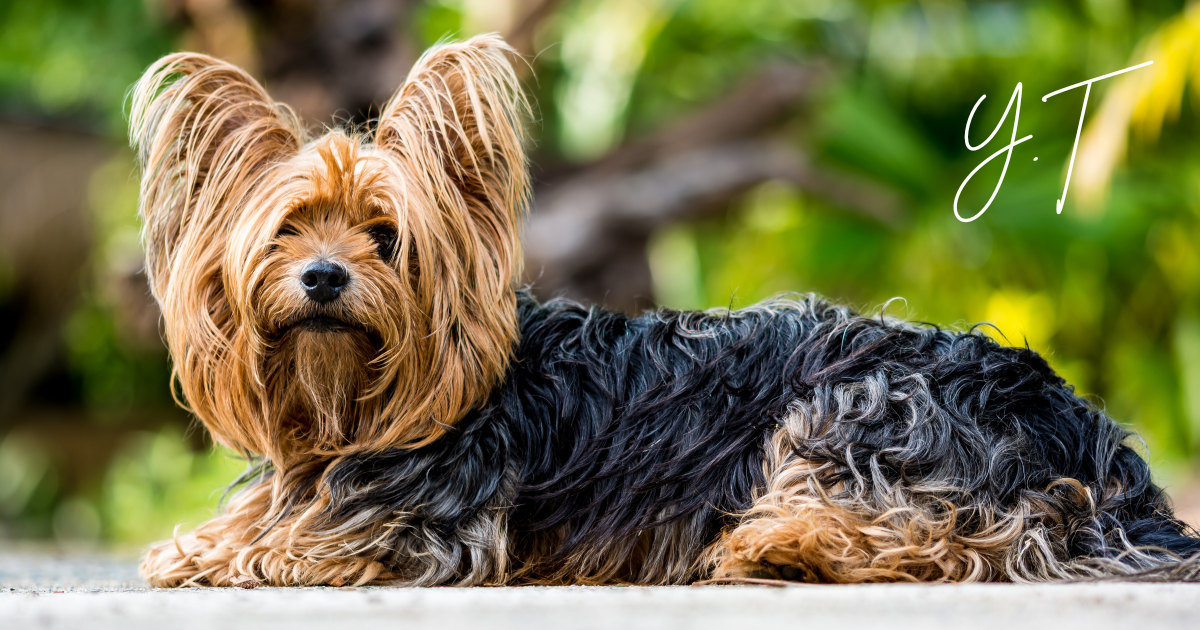
The Yorkshire Terrier, affectionately known as the Yorkie, is one of the most recognisable small dog breeds. With their silky coats, expressive faces and confident personalities, these little dogs have become popular companions for individuals, couples and families looking for a small but energetic pet.
Despite their delicate appearance, Yorkshire Terriers have plenty of personality. They are alert, curious and often surprisingly brave for their size. Whether you're considering miniature Yorkie puppies or looking to learn more about the breed before bringing one home, understanding their temperament, health and everyday care requirements is important.
How Long Do Yorkshire Terriers Live?
Yorkshire Terriers generally have a lifespan of approximately 12 to 15 years, with some living even longer when provided with appropriate nutrition, veterinary care and a healthy lifestyle.
Their small size and relatively long life expectancy make them a long-term commitment. Dental care, maintaining a healthy weight, regular exercise and preventative veterinary check-ups all contribute to their overall wellbeing.
Yorkshire Terrier Temperament and Personality
Yorkies may be small, but they are not short on confidence. Originally developed as working terriers, they retain many of the characteristics associated with their terrier background.
They are typically affectionate and loyal, often forming particularly strong bonds with their owners. Many enjoy being close to their families, whether relaxing on the couch, following their owners around the house or joining them on outings.
They are also naturally alert and can be quite vocal when they hear unfamiliar noises or notice activity around the property. This makes them good little watchdogs, although early training is important to prevent excessive barking.
Yorkshire Terriers are intelligent and capable learners, but they can also be stubborn and independent. Consistent, positive training from an early age helps establish good habits.
Activity Levels and Exercise Requirements
Yorkies are energetic little dogs that need more than just a comfortable lap to sit on. They enjoy exploring, playing fetch, going for walks and interacting with their owners.
A daily combination of short walks and indoor play is generally sufficient for most adult Yorkshire Terriers. Around 30 minutes of daily activity is a useful starting point, adjusted according to the individual dog's age, health and energy levels.
They also enjoy mental stimulation through interactive toys, basic training and simple games.
Because of their small size, care should be taken when exercising them during particularly hot South African summer afternoons. Equally, their small bodies can become cold during winter, so a warm sleeping area is important.
Common Yorkie Health Issues
Although Yorkshire Terriers are generally long-lived, there are several Yorkie health issues prospective owners should understand.
- Dental disease: Their small jaws can lead to crowded teeth and plaque build-up. Regular tooth brushing and veterinary dental checks are particularly important.
- Luxating patella: A condition where the kneecap moves out of its normal position, potentially causing discomfort, limping or an unusual skipping movement.
- Tracheal collapse: Weakening of the windpipe can cause a persistent, dry cough and breathing difficulties. Using a properly fitted harness instead of attaching a lead to the collar can help avoid unnecessary pressure on the neck.
- Portosystemic shunt: An abnormal blood vessel allows blood to bypass the liver, potentially affecting growth and normal body functions.
- Hypoglycaemia: Very small puppies can be vulnerable to low blood sugar, particularly when they do not eat regularly.
- Bladder stones: Mineral deposits can develop in the urinary tract and may cause difficulty urinating or discomfort.
These conditions do not affect every Yorkshire Terrier, but responsible breeding, routine veterinary examinations and early attention to unusual symptoms can make a difference.
Yorkie Types and Colours
When researching Yorkie types, you'll often come across terms such as miniature Yorkies, teacup Yorkies, teddy bear Yorkies and baby Yorkies.
It is important to understand that these are not separate officially recognised Yorkshire Terrier breeds. There is one recognised breed, the Yorkshire Terrier, although individual dogs can differ in size, appearance and coat characteristics.
The term miniature Yorkie puppies is frequently used in advertisements to describe particularly small puppies. However, smaller does not necessarily mean healthier. Extremely small dogs can face additional health and fragility concerns, so prospective owners should prioritise healthy breeding and normal development rather than choosing the smallest puppy available.
Yorkie colours also change as puppies mature. Most are born predominantly black and tan, with their coats gradually developing the characteristic adult colouring.
The traditional adult Yorkshire Terrier has a dark steel-blue coat across the body, with rich golden tan colouring around the head, chest and legs. The exact shade and development of the coat can vary between individual dogs.
Is a Yorkshire Terrier Suitable for Your Family?
Yorkshire Terriers can be excellent companions for individuals, couples, retirees and families with older, responsible children. Their compact size makes them suitable for apartments, townhouses and smaller homes, provided they receive enough attention and daily activity.
They may not be the ideal choice for households with very young children who have not yet learned how to handle small dogs gently. Yorkies are physically delicate, and accidental falls, rough handling or being stepped on can cause serious injuries.
They can also live alongside other dogs, particularly when properly socialised from an early age. However, introductions should be supervised, especially when larger breeds are involved.
Things to Consider Before Getting a Yorkie
One of the biggest considerations is grooming. Their long, silky coats require regular brushing to prevent tangles and matting. Many owners opt for a shorter puppy cut, which is easier to maintain in everyday life.
Yorkies also enjoy companionship and may become unsettled if left alone for extended periods. They benefit from owners who can provide regular interaction, training and attention.
When looking for baby Yorkies in South Africa, choose a responsible breeder who prioritises health and temperament. Ask about the parents' health history, puppy vaccinations, veterinary examinations and the environment in which the puppies are raised.
A Yorkshire Terrier may be small enough to fit comfortably into almost any home, but they still need proper care, attention and plenty of companionship. For the right owner, these little terriers can make affectionate, entertaining and loyal lifelong companions.