Dachshund in South Africa: Sausage Dog, Worshond & Miniature Guide
Written by Almero Korff • Independent SA Canine Editorial
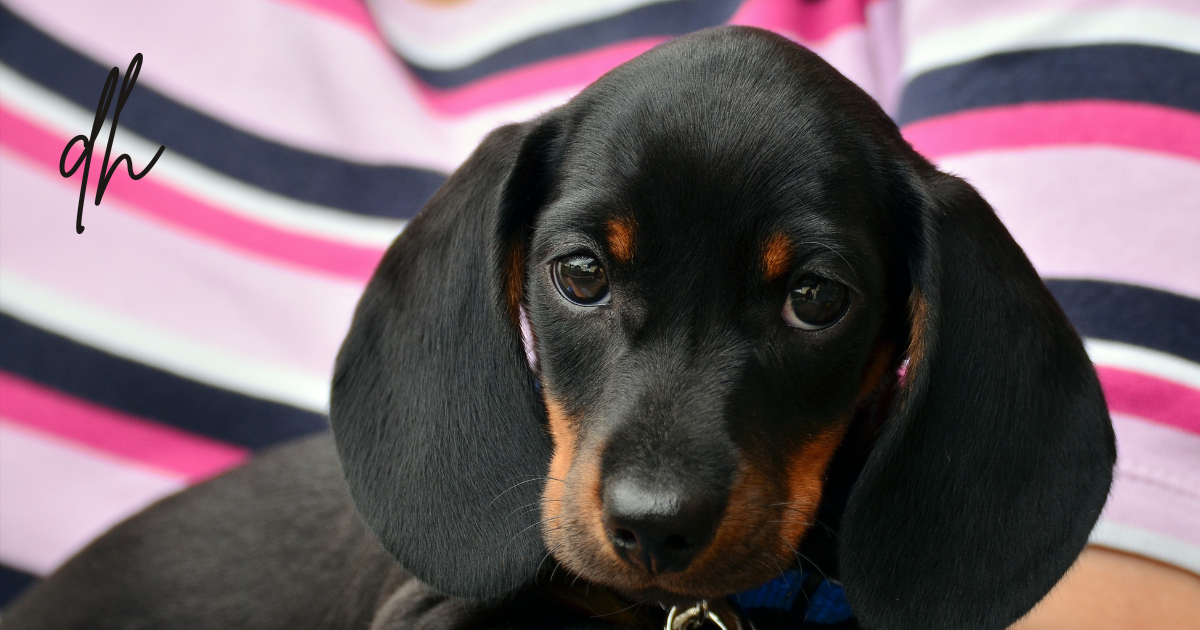
Dachshund: Breed Information, Temperament, Lifespan and Care in South Africa
The Dachshund, affectionately known as the sausage dog or Worshond in South Africa, is one of the most recognisable small dog breeds. With their long bodies, short legs and confident personalities, these little dogs have captured the hearts of dog owners around the world.
Originally bred in Germany as hunting dogs, Dachshunds were developed to track and pursue animals into underground burrows. Despite their compact size, they are courageous, curious and surprisingly determined.
Today, Dachshunds are popular family companions in South Africa, particularly with owners looking for an affectionate dog that doesn't require a large garden. Whether you're considering a miniature sausage dog or a standard Dachshund, understanding the breed's temperament, exercise needs and potential health problems is important before bringing one home.
How Long Do Dachshunds Live?
Dachshunds generally have a lifespan of approximately 12 to 16 years, making them a relatively long-lived breed.
With suitable nutrition, regular veterinary care and a healthy lifestyle, many Dachshunds remain active well into their senior years.
Maintaining a healthy weight is especially important for this breed. Because of their long backs and short legs, carrying excess weight can place additional strain on their spine and joints. A balanced diet and regular, appropriate exercise should form part of their everyday routine.
Dachshund Temperament and Personality
Don't let their short legs fool you. Dachshunds have big personalities and plenty of confidence.
They are typically affectionate, loyal and intelligent dogs that enjoy spending time with their owners. Many form strong bonds with their families and like being involved in everyday activities around the house.
Their hunting background also means they can be independent, curious and determined. Dachshunds have a strong sense of smell and may become easily distracted by interesting scents in the garden or during walks. They can also have a natural instinct to dig and chase smaller animals.
They are often quite vocal and may bark when they hear unfamiliar noises or notice someone approaching the property. Early training and socialisation can help prevent excessive barking.
Although generally friendly, Dachshunds can sometimes be reserved around unfamiliar people. Consistent positive training from puppyhood helps develop confidence and good behaviour.
Activity Levels and Exercise Requirements
Dachshunds are more active than many people expect from a short-legged breed. They enjoy daily walks, exploring their surroundings, playing with toys and spending time outdoors.
Around 30–60 minutes of daily activity can be a suitable starting point for a healthy adult, depending on whether you have a miniature or standard Dachshund and the individual dog's fitness.
However, exercise should be appropriate for their body structure. Activities involving repeated jumping, high-impact movements or excessive strain on the back should be avoided.
Mental stimulation is equally important. Scent games, food puzzles and interactive toys provide excellent enrichment while allowing Dachshunds to use their natural tracking instincts.
In South Africa, they generally adapt well to indoor living, but during particularly hot summer days, schedule walks for the cooler mornings or evenings and always provide fresh drinking water.
Common Dachshund Health Issues
Although Dachshunds can enjoy long, healthy lives, their distinctive body structure makes them susceptible to certain health conditions.
- Intervertebral Disc Disease (IVDD): This is one of the most significant health concerns in Dachshunds. Their long backs and short legs are associated with an increased risk of spinal disc problems. Signs can include back pain, reluctance to move, a wobbly walk, weakness in the back legs or, in severe cases, paralysis. Sudden changes in movement or signs of back pain require immediate veterinary attention.
- Obesity: Dachshunds can be enthusiastic eaters and are prone to gaining excess weight. Keeping them at a healthy weight helps reduce unnecessary strain on their spine and joints.
- Dental disease: Their relatively small jaws can contribute to crowded teeth and plaque accumulation. Regular brushing and veterinary dental checks are important.
- Patellar luxation: This occurs when the kneecap moves out of its normal position, potentially causing discomfort, limping or an unusual skipping movement.
- Eye conditions: Certain inherited eye problems can affect Dachshunds, making regular veterinary examinations worthwhile.
These conditions do not affect every Dachshund. Prospective owners should pay particular attention to spinal health when choosing a puppy. Responsible breeding, healthy body weight and appropriate activity can help reduce some risks, although they cannot eliminate the possibility of IVDD.
Miniature Sausage Dog vs Standard Dachshund
One of the most common questions when researching Dachshund puppies is the difference between miniature and standard varieties.
Both have the same characteristic appearance and personality, but differ in size. A standard Dachshund is generally heavier and larger, with an ideal weight of approximately 9–12kg. A miniature Dachshund is considerably smaller, with a desired maximum weight of around 5kg under the South African breed standard.
There are also three coat varieties:
- Smooth-haired: Short, sleek and relatively easy to maintain.
- Long-haired: A softer, flowing coat that requires regular brushing to prevent tangles.
- Wire-haired: A rougher coat with distinctive facial furnishings, including a beard and bushy eyebrows.
This gives prospective owners several options when choosing a Dachshund, whether they prefer a miniature long-haired sausage dog or a standard smooth-haired variety.
Is a Dachshund Suitable for Your Family?
Dachshunds can make wonderful companions for individuals, couples and families with older, responsible children.
Their compact size makes them suitable for apartments, townhouses and freestanding homes, provided they receive daily exercise and mental stimulation. They do not necessarily need a large garden, although secure outdoor space is useful.
Families with very young children should take extra care when choosing this breed. Dachshunds have relatively delicate backs, and rough handling, accidental falls or being picked up incorrectly can result in injury.
They can also live alongside other dogs, particularly when introduced and socialised from an early age. However, their hunting instincts may make them less suitable for households with smaller animals such as rabbits or rodents.
Things to Consider Before Getting a Dachshund
The biggest consideration is spinal care. Avoid allowing your Dachshund to repeatedly jump on and off high furniture, and consider using pet ramps or suitable steps to reduce unnecessary jumping. Keep their exercise consistent and their weight under control.
Grooming requirements depend on the coat variety. Smooth-haired Dachshunds generally need minimal brushing, while long-haired and wire-haired varieties require more regular coat maintenance.
When looking for miniature Dachshund puppies or standard sausage dogs in South Africa, choose a responsible breeder who prioritises health, temperament and correct breed structure. Ask about the parents' health history, puppy vaccinations, deworming and veterinary examinations.
Dachshunds may have short legs and a long body, but they bring an enormous amount of character into a home. For owners who appreciate their independent nature, playful personality and affectionate companionship, the Worshond can be a wonderful addition to the family.