Rottweiler in South Africa: Puppies, Temperament, Lifespan and Care
Written by Almero Korff • Independent SA Canine Editorial
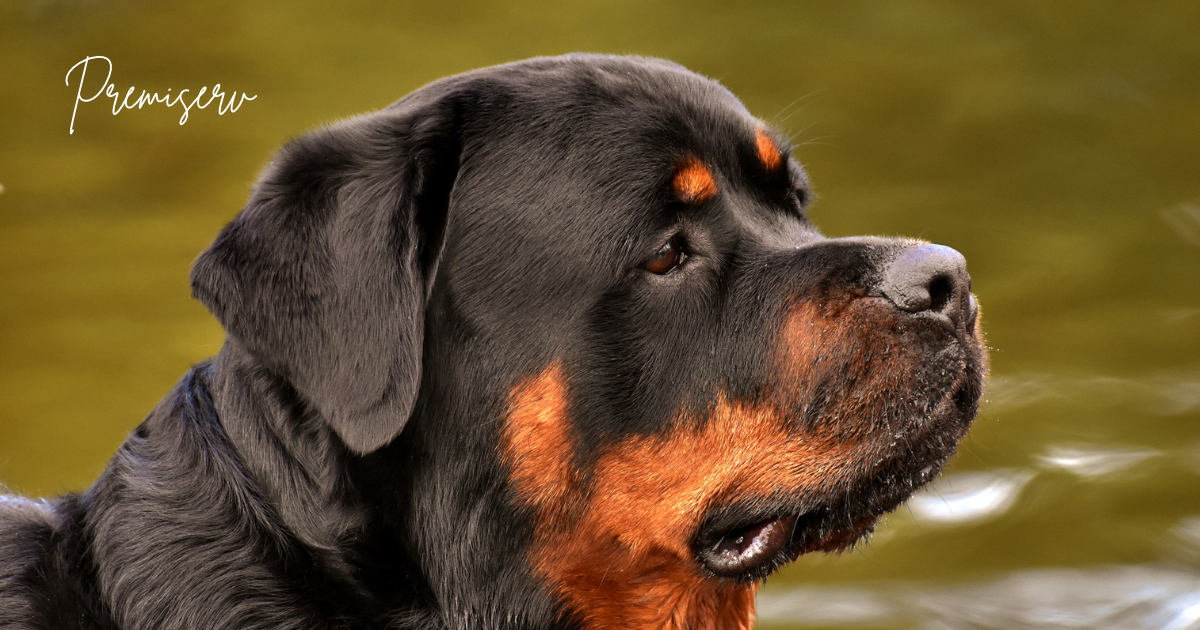
The Rottweiler is a powerful, intelligent and loyal dog breed, recognised for its muscular build, distinctive black-and-tan coat and confident personality. Originally developed in Germany as a cattle-driving and guarding dog, the Rottweiler has a long working history and remains a popular choice for families, property owners and people looking for a capable companion and natural watchdog.
In South Africa, Rottweilers are commonly found in suburban homes, larger residential properties and farms. Although their imposing appearance makes them popular as guard dogs, a well-bred and properly socialised Rottweiler is generally a confident, steady and affectionate family companion.
However, this is not a breed that should be chosen purely for its protective reputation. Rottweilers are intelligent working dogs that require consistent training, socialisation, exercise and responsible ownership. Understanding their temperament and physical requirements is important before looking for Rottweiler puppies.
How Much Is a Rottweiler Puppy in South Africa?
The price of a Rottweiler puppy in South Africa varies depending on the breeder, pedigree, bloodline, registration, health screening and quality of the breeding programme.
Recent South African advertisements reviewed in November 2026 show asking prices ranging from approximately R4,000 to R9,500. Specifically advertised KUSA-registered puppies from health-screened breeding lines were listed around R8,500–R9,500. These are observed asking prices rather than a verified national average.
When researching Rottweiler puppies, it is important to understand the difference between a purebred puppy, a puppy from KUSA-registered parents and an individually KUSA-registered puppy.
KUSA registration provides pedigree documentation and records a dog's ancestry, but registration alone does not guarantee good health, temperament or responsible breeding.
Before purchasing, ask the breeder for:
- KUSA registration certificates for the sire and dam.
- Confirmation that the actual litter and individual puppies will be registered.
- Hip and elbow screening results for the parent dogs.
- JLPP genetic testing information.
- Veterinary examination, vaccination and deworming records.
- Microchip identification and a written purchase agreement.
Avoid choosing a Rottweiler based solely on size, head shape or advertised bloodline. A responsible breeder should prioritise health, temperament and sound physical development.
Remember that the purchase price is only the beginning. Rottweilers are large dogs with substantial ongoing feeding, veterinary and maintenance costs.
How Long Do Rottweilers Live?
Rottweilers generally have an average lifespan of approximately 8 to 10 years.
Although this is shorter than the life expectancy of many smaller breeds, appropriate preventative care can help maintain their health and quality of life.
Maintaining a healthy weight is particularly important. Excess body weight places additional pressure on their hips, elbows and other joints, potentially contributing to mobility problems as they get older.
Regular veterinary examinations, appropriate nutrition, dental care and consistent exercise should form part of their everyday routine.
Rottweiler Temperament and Personality
The Rottweiler's temperament is one of the most important things to understand before bringing one home.
Despite their reputation as powerful guard dogs, well-bred Rottweilers are generally good-natured, devoted and confident. They are intelligent working dogs that enjoy having a purpose and being included in family activities.
They naturally tend to be alert and observant, particularly around unfamiliar people and activity near their property. This makes them effective watchdogs, but appropriate training is essential to ensure their protective instincts remain manageable.
Rottweilers are generally affectionate with their families and can develop strong bonds with their owners. Many enjoy interaction, training and spending time with the people they know.
They are intelligent and generally responsive to training, although their independent nature means consistency is important.
Early socialisation should include positive exposure to unfamiliar people, other dogs, different environments and everyday situations. A confident Rottweiler should be able to distinguish between normal activity and situations that genuinely require attention.
They can be excellent family dogs, including households with children, provided they are properly trained and interactions are supervised. Their considerable size and strength mean that even friendly play can accidentally knock over younger children.
Activity Levels and Exercise Requirements
Rottweilers are athletic working dogs that require regular physical activity and mental stimulation.
Around 60–90 minutes of daily activity can be a useful starting point for a healthy adult, divided between walks, controlled play and training sessions. Individual requirements will vary according to age, fitness and health.
They enjoy activities such as obedience training, scent work, structured play and exploring their surroundings.
Rottweilers also benefit from having something to occupy their minds. Interactive toys, food puzzles and consistent training help prevent boredom and unwanted behaviour.
Growing puppies need a more controlled exercise routine. Avoid forced running, repetitive jumping and excessive high-impact activity while their bones and joints are developing.
In South Africa, exercise should be adjusted during hot weather. Early morning and evening walks are preferable during summer, with fresh drinking water and access to shade throughout the day.
Important Health Warning: Rottweiler Breed Risks
Rottweilers are predisposed to several inherited and developmental conditions. Responsible breeding and appropriate veterinary screening are important, but no screening programme can eliminate every possible health problem.
- Hip dysplasia: An inherited developmental condition where the hip joints do not fit together correctly, potentially resulting in pain, instability and arthritis.
- Elbow dysplasia: A developmental joint condition that can cause lameness, discomfort and reduced mobility.
- Dilated cardiomyopathy and subaortic stenosis: Heart conditions that can affect normal circulation and cardiac function. Veterinary cardiac assessment is important when indicated.
- JLPP: Juvenile Laryngeal Paralysis and Polyneuropathy is an inherited neurological condition that can affect breathing, swallowing, voice production and movement. Genetic testing is available to identify affected and carrier dogs.
- Osteosarcoma: An aggressive form of bone cancer that occurs more frequently in large and giant dog breeds, including Rottweilers.
- Gastric dilatation-volvulus (bloat): A life-threatening condition involving stomach distension and potentially twisting. Sudden abdominal swelling, repeated unsuccessful attempts to vomit, drooling and restlessness require immediate veterinary attention.
Important: Seek urgent veterinary care if your dog shows signs of bloat, sudden weakness, difficulty breathing, collapse or severe pain. Do not wait for symptoms to improve on their own.
Is a Rottweiler Suitable for Your Family?
Rottweilers can make excellent companions for individuals and families who understand the responsibilities associated with owning a powerful working breed.
They generally do best in households where owners can provide consistent boundaries, training, companionship and regular exercise.
A freestanding home with a secure garden is often a suitable environment, although a Rottweiler does not necessarily need a farm or an exceptionally large property. Its daily exercise and mental stimulation requirements are more important than simply having a large garden.
For families with children, early socialisation and supervised interactions are essential. Rottweilers can also live alongside other dogs and household pets when properly introduced, although individual temperament and training play an important role.
First-time dog owners should consider the commitment carefully. Their strength, protective instincts and size require an owner who is prepared to invest time in responsible training and ongoing management.
South African Property and Climate Considerations
Rottweilers are adaptable dogs, but their size, strength and protective instincts make property security an important consideration.
Fencing and security: A sturdy, secure boundary is essential. As a practical planning guide, many owners should consider fencing or walls around 1.8 metres high, depending on the property and individual dog's behaviour. This is not a formal breed requirement or a guarantee against escape. Gates should close securely, with no gaps through which a large dog can squeeze or push.
Space and accommodation: Rottweilers are large dogs that need sufficient room to move comfortably. They should have access to a suitable indoor resting area rather than being kept outside permanently. Comfortable bedding, clean water and protection from the elements are essential.
South African summer care: Rottweilers have a dense double coat and can struggle during periods of extreme heat, particularly when exercising. Provide shaded resting areas, fresh water and good ventilation. Avoid strenuous activity during the hottest parts of the day and watch for excessive panting or signs of overheating.
Exercise and stimulation: A secure garden provides opportunities for play, but it does not replace daily walks, training and interaction with the family.
Things to Consider Before Getting a Rottweiler
Rottweilers are relatively straightforward to groom. Their short, dense coats require regular brushing to remove loose hair, while routine nail trimming, ear checks and dental care should form part of their maintenance.
Their feeding requirements are considerably greater than those of smaller companion breeds. Choosing suitable large-breed nutrition, controlling portions and maintaining a healthy adult weight are important.
When looking for Rottweiler puppies in South Africa, choose a breeder who takes health screening and temperament seriously. Ask about the parents' hip and elbow results, JLPP status and general health history.
A Rottweiler should not be selected simply because you want a dog that looks intimidating. The best companions are confident, well-socialised and manageable in everyday situations.
For owners who can provide the training, structure and attention this breed needs, the Rottweiler can be a loyal, affectionate and dependable family companion.