Great Dane: Breed Information, Temperament, Lifespan, Puppy Prices and Care in South Africa
Written by Almero Korff • Independent SA Canine Editorial
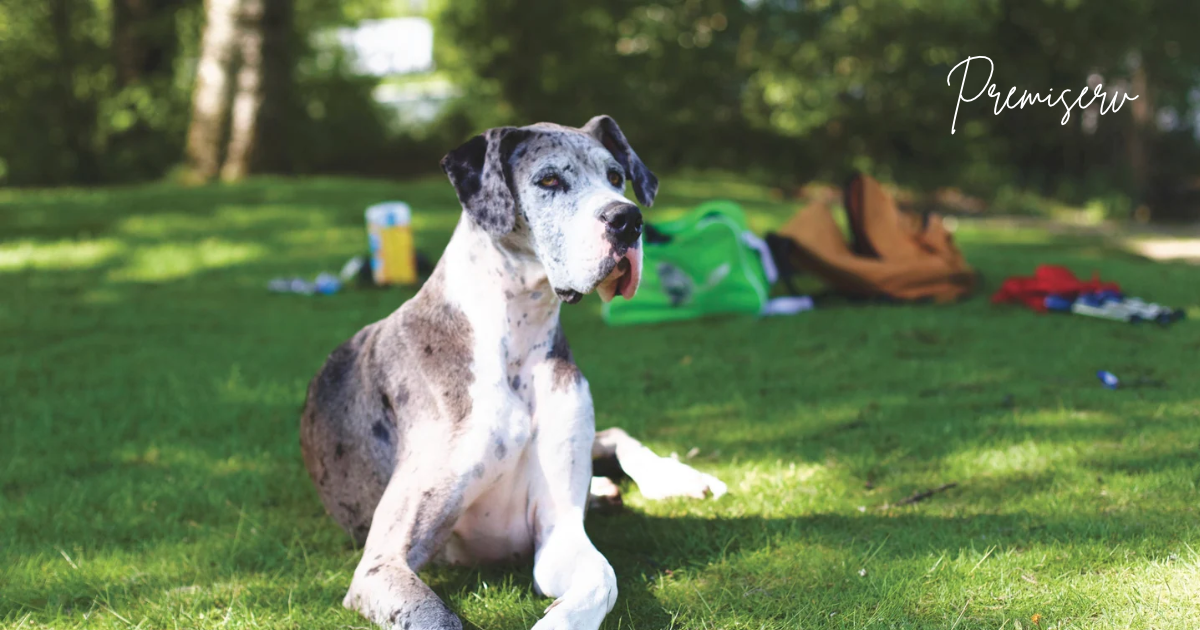
The Great Dane is one of the most impressive dog breeds in the world. Known for its extraordinary height, powerful build and surprisingly gentle personality, this giant breed has earned its reputation as a true gentle giant. Originally developed in Germany as a hunting and property-guarding dog, the Great Dane has evolved into a much-loved companion for families and individuals who appreciate large, loyal dogs.
In South Africa, Great Danes can be found in suburban homes, larger residential properties and farms where owners have sufficient space to accommodate their size. Despite their imposing appearance, well-socialised Great Danes are generally affectionate, people-oriented dogs that enjoy spending time with their families.
However, owning a Great Dane is a considerable commitment. Their size affects everything from feeding and veterinary expenses to transport, accommodation and the amount of space they need. Understanding the breed before looking for Great Dane puppies is essential.
How Much Is a Great Dane Puppy in South Africa?
The price of a Great Dane puppy in South Africa varies depending on the breeder, bloodline, pedigree registration, health testing and coat colour. Current South African puppy advertisements reviewed in November 2026 show asking prices generally ranging from approximately R5,000 to R9,500, although individual advertisements can fall outside this range.
Black, fawn and other puppies may be advertised at different prices, while harlequin, blue and other sought-after colour patterns can sometimes attract higher asking prices. However, colour should never be more important than the puppy's health, temperament and breeding background.
For buyers specifically looking for a KUSA-registered Great Dane, it is important to understand what registration means. KUSA registration provides pedigree documentation and records the dog's ancestry. It does not automatically guarantee that a puppy has been health tested or comes from a responsible breeder.
There are South African breeders advertising puppies from imported KUSA bloodlines and KUSA-registered parent dogs. However, not all public advertisements disclose whether the individual puppies will themselves be KUSA registered or provide a purchase price. As a result, a reliable separate market average for KUSA-registered Great Dane puppies cannot currently be established from publicly advertised prices.
Before paying a deposit, ask the breeder for:
- Copies of the sire and dam's KUSA registration certificates.
- Confirmation that the litter and individual puppy will be KUSA registered.
- The puppy's registration and pedigree documentation arrangements.
- Available hip, elbow and cardiac health-screening results.
- Vaccination, deworming and veterinary examination records.
- A written purchase agreement outlining the sale conditions.
Remember that the purchase price is only the beginning. Great Danes are giant dogs with substantial ongoing food, veterinary, bedding and general maintenance requirements. These costs should form part of your decision before bringing one home.
How Long Do Great Danes Live?
Great Danes generally have an average lifespan of approximately 8 to 10 years, which is considerably shorter than that of many smaller dog breeds. Their enormous size and predisposition to certain health conditions contribute to their relatively short life expectancy.
Preventative veterinary care is particularly important throughout their lives. Regular health examinations, appropriate nutrition, maintaining a healthy weight and monitoring their heart and joint health can help identify potential problems early.
Because Great Danes grow rapidly during puppyhood, providing a suitable giant-breed puppy diet is also important. Controlled growth and balanced nutrition help support developing bones and joints. Avoid adding calcium or other supplements unless your veterinarian specifically recommends them.
Great Dane Temperament and Family Suitability
Despite their intimidating size, Great Danes are generally known for their affectionate, gentle and devoted personalities. They often form strong bonds with their owners and prefer being close to their families rather than spending extended periods alone in the garden.
The Great Dane's official breed characteristics include its role as a companion, watch and guard dog. They are naturally alert and may be reserved around unfamiliar people, but a well-bred Great Dane should be confident, manageable and without unnecessary aggression.
Their size alone can make them an effective deterrent to unwanted visitors. However, appropriate socialisation and training are essential to ensure they develop into dependable adult companions.
Great Danes can make excellent family dogs, including households with children. Their affectionate nature generally makes them good companions, but their physical size needs to be considered. An excited Great Dane can unintentionally knock over a small child simply by moving around or playing.
Important considerations for families include:
- Early socialisation with children, visitors and other animals.
- Consistent obedience training from puppyhood.
- Teaching the dog not to jump up or push against people.
- Supervising interactions with younger children.
- Providing sufficient attention and companionship.
Great Danes are intelligent and generally respond well to positive reinforcement. Because they become extremely powerful adults, establishing good behaviour while they are still puppies is particularly important.
Activity Levels and Exercise Requirements
Great Danes have moderate to high activity requirements, although they are not typically endurance or long-distance running dogs. They enjoy daily walks, exploring their surroundings and spending time with their owners.
For a healthy adult, approximately 60 to 90 minutes of daily activity, divided into manageable sessions, can be a useful starting point. Individual requirements will depend on age, fitness and health.
Growing Great Dane puppies require a different approach. Their bones and joints are still developing, so avoid forced running, repetitive jumping and excessive high-impact exercise. Short, controlled walks, supervised play and appropriate mental stimulation are more suitable while they mature.
Great Danes also benefit from interactive toys, basic training and opportunities to explore their surroundings. Mental stimulation is just as important as physical exercise when raising a well-adjusted giant breed.
Important Health Issues in Great Danes
Important Health Warning: Gastric Torsion (Bloat)
Great Danes are particularly vulnerable to gastric dilatation-volvulus (GDV), commonly known as bloat or gastric torsion. This life-threatening condition occurs when the stomach fills with gas and can subsequently twist, cutting off blood circulation and requiring immediate emergency surgery.
Warning signs include:
- Repeated attempts to vomit without bringing anything up.
- A swollen or unusually distended abdomen.
- Restlessness, discomfort or excessive drooling.
- Rapid breathing, weakness or collapse.
Suspected bloat is a veterinary emergency. Do not wait to see whether the symptoms improve. Contact an emergency veterinarian and seek treatment immediately.
Discuss preventative gastropexy with your veterinarian. This surgical procedure attaches the stomach to the abdominal wall to significantly reduce the risk of stomach twisting, although it does not prevent the stomach from becoming distended.
Besides gastric torsion, there are several other Great Dane health issues prospective owners should understand:
- Hip dysplasia: An inherited condition where the hip joints develop abnormally, potentially causing pain, instability and arthritis.
- Elbow dysplasia: A developmental joint condition that can lead to lameness, discomfort and early arthritis.
- Dilated cardiomyopathy (DCM): A serious heart condition in which the heart muscle becomes weakened and enlarged, affecting its ability to pump blood effectively.
- Wobbler syndrome: A condition affecting the cervical spine that can cause weakness, poor coordination and difficulty walking.
- Eye conditions: Great Danes can develop conditions such as entropion, ectropion and other inherited eye problems.
- Bone and joint problems: Rapid growth and excessive body weight can place additional strain on developing joints and supporting structures.
Responsible breeding and appropriate health screening are particularly important in this breed. Ask prospective breeders about hip and elbow evaluations, cardiac examinations and any relevant inherited-condition screening performed on their breeding dogs.
South African Property and Climate Considerations
A Great Dane does not necessarily need a farm to live comfortably, but it does need sufficient indoor and outdoor space. Their height and physical size make smaller living environments more challenging, particularly when there are narrow passages, compact sleeping areas or limited room to move around.
For South African households, a secure garden and comfortable indoor living arrangements are important considerations.
Fencing and garden security: A sturdy, secure boundary is essential. As a practical planning guide, many owners should consider fencing or walls around 1.8 metres high, depending on the property and individual dog's behaviour. This is not a formal breed requirement or a guarantee against escape. Gates should close securely, with no gaps through which a large dog can squeeze or push.
Indoor space: Great Danes are companion dogs that generally enjoy being inside with their families. Make sure there is sufficient room for a large bed, comfortable resting areas and easy movement through the home. Their size also means that suitable vehicle access and appropriately sized transport arrangements should be considered.
Managing South African summers: Although Great Danes have relatively short coats, their large bodies can generate considerable heat during physical activity. Always provide shade, fresh drinking water and a cool resting environment. Schedule walks for early mornings or later evenings during summer and avoid strenuous exercise during particularly hot weather.
During winter, comfortable indoor bedding is equally important, as their short coats offer limited protection against cold temperatures.
Things to Consider Before Getting a Great Dane
Owning a Great Dane is a rewarding experience, but it is a substantial long-term commitment. Their size affects almost every aspect of daily care, including feeding, grooming, travel, veterinary treatment and accommodation.
Before getting a Great Dane puppy, consider whether your household can comfortably accommodate a dog that may weigh 45 to 70kg or more when fully grown. Make sure you can afford the ongoing costs and have access to a veterinarian experienced in managing giant breeds.
Great Danes have short coats and relatively straightforward grooming requirements. Weekly brushing, regular nail trimming, dental care and routine ear checks are generally sufficient to maintain their coat and general hygiene.
They also need early socialisation and consistent training. A well-trained Great Dane is much easier to manage as an adult than a giant dog that has never learned appropriate lead manners or basic commands.
Choosing a Great Dane Puppy in South Africa
When looking for Great Dane puppies, take your time choosing a breeder. A responsible breeder should be interested in the homes their puppies are going to, be willing to answer questions and provide clear information about the parents and their health history.
Ideally, arrange to visit the breeder and see the puppies in the environment where they were raised. Observe how the mother behaves and whether the puppies appear healthy, confident and appropriately socialised.
Look for the following:
- Healthy, well-socialised puppies raised in a clean environment.
- Parents with sound temperaments and suitable health screening.
- Clear vaccination, deworming and veterinary records.
- Transparent pedigree and registration documentation where advertised as KUSA registered.
- A written purchase agreement and ongoing breeder support.
- Puppies that are at least eight weeks old before leaving their mother.
Be cautious of breeders who focus heavily on rare colours, unusually large size or exceptionally low prices while avoiding questions about health testing and pedigree documentation.
Is a Great Dane the Right Dog for You?
The Great Dane is an affectionate, loyal and impressive companion that can bring an enormous amount of personality into the right South African home. Despite its size, it is often a gentle and people-oriented dog that enjoys being close to its family.
However, prospective owners should be prepared for a shorter-than-average lifespan, significant ongoing expenses and important breed-specific health risks, particularly gastric torsion and heart disease.
If you have sufficient space, a secure property, the ability to provide appropriate veterinary care and the time to train and socialise a giant breed, the Great Dane can make a wonderful family companion. Choosing a responsible breeder and understanding the breed's needs from puppyhood are the foundations of a healthy and rewarding relationship.