Boerboel: South African Breed Information, Temperament, Lifespan, Puppy Prices and Care
Written by Almero Korff • Independent SA Canine Editorial
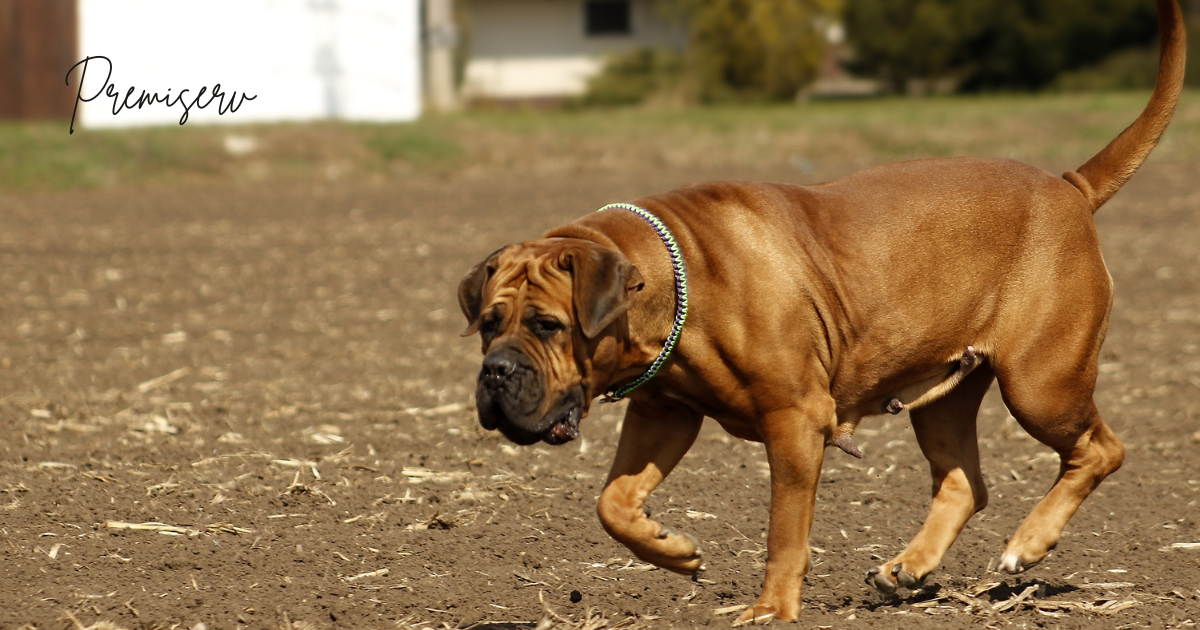
The Boerboel is one of South Africa's most recognisable dog breeds and a source of considerable pride among local dog owners. Developed on South African farms over generations, this powerful working breed was traditionally used to protect families, livestock and property.
Known for its muscular build, impressive size and confident personality, the Boerboel has become a popular choice among South African families, farmers and property owners looking for a loyal companion with natural guarding instincts.
Despite its imposing appearance, a well-bred and properly socialised Boerboel should have a calm, stable and affectionate temperament towards its family. However, this is a powerful working breed that requires responsible ownership, consistent training and appropriate socialisation from an early age.
How Much Is a Boerboel Puppy in South Africa?
The price of a Boerboel puppy in South Africa varies depending on the breeder, pedigree, bloodline, registration, appraisal results and health screening of the parent dogs.
A recent South African advertisement for SABBS-registered Boerboel puppies in Rayton, Gauteng, listed prices ranging from approximately R8,500 to R12,000 in October 2026. This is an example of advertised pricing rather than a verified national average. Puppies from established breeding programmes with particularly strong pedigrees and appraised parent dogs may command higher prices.
When researching Boerboel puppies, it is important to understand the local registration system. The South African Boerboel Breeders' Society (SABBS) is the authorised registering organisation for the breed under the Animal Improvement Act. SABBS maintains breed records, pedigrees, identification requirements and appraisal processes intended to preserve the Boerboel's characteristic temperament and physical standards.
KUSA also publishes a Boerboel breed standard and operates a character and breed assessment process. However, KUSA documentation and SABBS registration are not interchangeable. Buyers should establish exactly which organisation issued the paperwork and what registration status the individual puppy has.
Before purchasing a Boerboel puppy, ask the breeder for:
- SABBS registration certificates and pedigree information for both parents.
- The puppy's SABBS birth certificate and registration arrangements.
- Confirmation of microchipping and parent DNA profiling.
- Parent appraisal scores and available breeding evaluations.
- Hip and elbow screening results.
- Appropriate eye and cardiac health examinations.
- Vaccination, deworming and veterinary examination records.
- A written purchase agreement and breeder contact details.
Remember that registration is not a substitute for health screening or responsible breeding. A puppy's temperament, health and development should always take priority over impressive bloodlines or advertised size.
The purchase price is only the beginning. Boerboels are large dogs with substantial ongoing food, veterinary and general maintenance costs.
How Long Do Boerboels Live?
Boerboels generally have an estimated lifespan of approximately 9 to 11 years, although individual dogs may live longer or shorter lives depending on their genetics, health and overall care.
As a large, muscular breed, maintaining a healthy body weight is particularly important. Excessive weight places additional pressure on the hips, elbows and other joints, potentially contributing to mobility problems later in life.
Regular veterinary examinations, appropriate nutrition, dental care and consistent exercise should form part of their preventative healthcare routine.
Boerboel puppies also need carefully managed nutrition while growing. Avoid encouraging excessively rapid growth through overfeeding or unnecessary calcium supplementation. A suitable large-breed puppy diet helps support normal skeletal development.
Boerboel Temperament and Personality
The Boerboel is known for its confidence, intelligence, loyalty and natural protective instincts.
Originally developed as a farm guardian, the breed is naturally alert and observant. It tends to be watchful around unfamiliar people and may instinctively protect its family and property when it perceives a genuine threat.
However, a properly bred Boerboel should not be unnecessarily aggressive or unpredictable. A balanced temperament is one of the most important characteristics of the breed.
Boerboels generally form strong bonds with their owners and can be affectionate, playful and gentle family companions. They are also intelligent and trainable, although their size and independent nature require consistent handling and clear boundaries.
Early socialisation is essential. Puppies should gradually become accustomed to different people, everyday environments, other dogs and normal household activities.
For families with children, a well-socialised Boerboel can be a loving companion. However, because of their considerable size and strength, interactions with younger children should always be supervised.
Boerboels are generally not ideal for inexperienced owners who are unprepared to manage a large protective breed. They need an owner who understands responsible dog ownership, positive training and the importance of maintaining control in public and around visitors.
Activity Levels and Exercise Requirements
Boerboels have moderate to high activity requirements and benefit from regular physical exercise combined with mental stimulation.
Around 45 to 75 minutes of daily activity can be a useful starting point for a healthy adult, divided into manageable sessions according to the dog's fitness and individual energy levels.
They generally enjoy:
- Daily walks and exploring their surroundings.
- Structured outdoor play.
- Obedience training and learning commands.
- Scent games and interactive enrichment.
- Spending time with their owners in a secure garden.
Although the Boerboel is a powerful breed, it does not need excessive running or strenuous exercise to remain healthy.
Growing puppies require particular care. Avoid forced running, repetitive jumping and prolonged high-impact exercise while their joints and bones are developing.
In South Africa, exercise should also be adjusted during hot summer weather. Early morning and evening walks are preferable, with plenty of fresh drinking water and access to shaded resting areas.
Important Boerboel Health Issues
Important Health Considerations
Boerboels are generally robust working dogs, but their large frame and genetics make certain health conditions important considerations for prospective owners.
- Hip and elbow dysplasia: Developmental joint conditions where the joints do not form or function correctly. They can cause discomfort, lameness and arthritis. Health screening of breeding dogs is particularly important.
- Ectropion and entropion: Eyelid abnormalities that can cause irritation, excessive tearing and discomfort. Entropion occurs when the eyelid rolls inward, while ectropion causes it to droop outward.
- Dilated cardiomyopathy (DCM): A heart condition involving weakening and enlargement of the heart muscle, reducing its ability to pump blood efficiently. Veterinary cardiac examinations are important when indicated.
- Gastric dilatation-volvulus (bloat): A potentially fatal condition where the stomach becomes distended with gas and can twist. Suspected bloat requires immediate emergency veterinary treatment.
- Cruciate ligament injuries: The weight and strength of a large dog can place considerable strain on the knee joints. Injuries to the cranial cruciate ligament can cause sudden lameness and may require surgery.
Seek veterinary care if your Boerboel develops persistent lameness, eye irritation, unusual exercise intolerance, weakness or sudden abdominal swelling.
Responsible breeders should be able to discuss relevant health screening, particularly hip and elbow evaluations and examinations of the eyes and heart. Ask for actual veterinary documentation rather than relying on general assurances that the parents are healthy.
Is a Boerboel Suitable for Your Family?
Boerboels can make excellent family companions for households that understand their physical strength, guarding instincts and training requirements.
They are generally suited to:
- Families living in freestanding homes with secure gardens.
- Owners who have experience with large or working breeds.
- Farmers and smallholding owners looking for a capable property companion.
- Households where someone can provide regular interaction and supervision.
- Owners who are prepared to invest in ongoing training and socialisation.
Although they are often associated with farms and large properties, Boerboels do not necessarily require a farm to live comfortably. A secure suburban property can also be suitable, provided their exercise, companionship and space requirements are met.
They are generally affectionate with familiar family members, but owners should never assume that their natural guarding instincts make formal training unnecessary.
South African Property and Climate Considerations
The Boerboel is particularly well suited to South African conditions when properly cared for, but its size, strength and protective nature make property security an important consideration.
Fencing and security: A sturdy, secure boundary is essential. As a practical planning guideline, fencing around 1.8 metres high can be appropriate for many properties, although the dog's behaviour and the strength of the boundary matter more than height alone. Gates should have secure latches, and there should be no gaps that allow the dog to escape.
Space and accommodation: Boerboels need sufficient room to move comfortably and a suitable indoor resting area. They should not be left isolated outside permanently. Regular interaction with the household is important for their emotional wellbeing and social development.
Managing summer heat: Their large muscular bodies can make overheating a concern during strenuous activity. Provide shaded resting areas, fresh water and good ventilation. Avoid walking or exercising your Boerboel during the hottest parts of South African summer days.
Grooming: Their short, dense coat is relatively easy to maintain. Weekly brushing helps remove loose hair, while regular nail trimming, ear checks and dental care should form part of their routine.
Things to Consider Before Getting a Boerboel
Owning a Boerboel is a long-term commitment. Their size means higher food consumption, potentially more expensive veterinary treatment and the need for appropriately sized beds, equipment and secure transport arrangements.
They also need an owner who understands that a protective dog must be properly managed. Leaving a Boerboel alone in a yard with little interaction, training or socialisation can contribute to undesirable behaviour.
When looking for Boerboel puppies in South Africa, choose a breeder who is transparent about registration, pedigree, appraisal results and health screening. Prioritise temperament and sound development over exaggerated size, heavy appearance or fashionable characteristics.
Choosing a Boerboel Puppy in South Africa
A responsible breeder should welcome questions about the parents, their temperament, health checks and registration. Where possible, arrange to visit and see the puppies with their mother in the environment where they are being raised.
Check the puppy's documentation carefully and make sure you understand whether the puppy is SABBS registered, eligible for registration or simply advertised as coming from registered parents. Ask for the relevant paperwork rather than relying on a verbal description.
Be cautious of breeders who focus heavily on exaggerated size, aggression or appearance while avoiding questions about temperament, health screening and the puppy's living conditions.
Is a Boerboel the Right Dog for You?
The Boerboel is a uniquely South African breed with an impressive combination of strength, confidence and loyalty.
For the right owner, it can be an affectionate family companion and a dependable property guardian. However, its natural protective instincts, physical power and ongoing training requirements make responsible ownership essential.
If you have a secure property, experience or willingness to learn about large working breeds, and the time to provide consistent training and companionship, the Boerboel can be a rewarding addition to your household.
Choosing a reputable SABBS-registered breeder and understanding the breed's needs from puppyhood are important first steps towards raising a healthy, confident and well-balanced Boerboel.