Tick and Flea Control for Dogs: Protecting Your Pet, Home and Garden in South Africa
Written by Almero Korff • Independent SA Canine Editorial
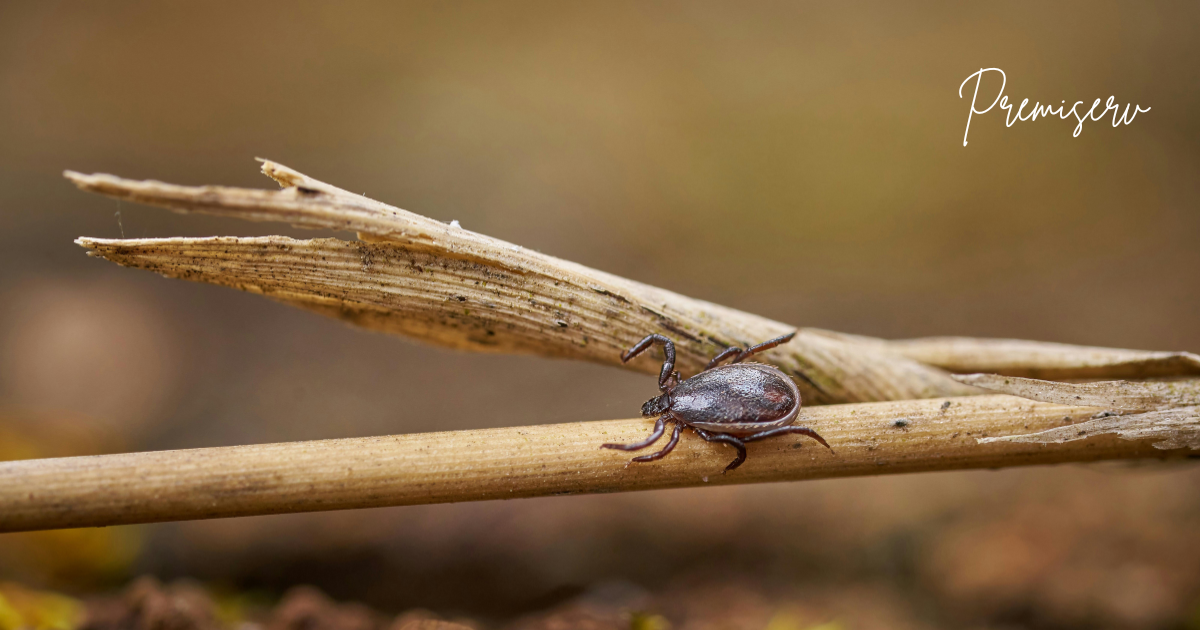
Ticks and fleas are more than an irritation for dogs. These external parasites feed on blood, can cause skin irritation and may transmit other diseases. In South Africa, where warm conditions can support parasite activity for much of the year, effective tick and flea control should be part of your regular pet-care routine.
The key is to protect your dog while also managing the places where parasites live and reproduce. Treating your dog alone may not be enough when your home, kennel or garden has an established infestation.
What Are Ticks and Fleas?
Ticks are small, blood-feeding parasites that attach to a host and remain there while feeding. They can be picked up during walks, in long grass, around shrubs or from other infested animals. The brown dog tick, also known as the kennel tick, is particularly relevant because it can establish populations in kennels, cracks and protected areas around buildings.
Tick bites can cause irritation and, more seriously, transmit diseases such as canine babesiosis, commonly called biliary in South Africa. Signs of illness after tick exposure require prompt veterinary attention.
Fleas are tiny insects that move quickly through an animal's coat and jump between suitable hosts. Dogs may scratch, bite or lick themselves excessively when infested. Some develop flea-allergy dermatitis, while heavy infestations can cause significant blood loss, particularly in puppies.
Fleas also reproduce in the environment. Their eggs fall from the animal into bedding, carpets, floor gaps and suitable outdoor resting areas. This means that seeing a few fleas on your dog can indicate a much larger problem developing around your property.
How Often Should You Treat Your Dog for Ticks and Fleas?
For many South African households, year-round prevention is sensible, even though tick and flea activity may increase during warmer months. Do not wait until you see parasites before considering protection.
Products available in South Africa include:
- Bravecto Chew: An oral treatment that provides tick and flea protection for approximately 12 weeks when used according to its product directions.
- Bravecto Spot-On: A topical treatment with a stated duration of four months for ticks and six months for fleas in dogs.
- Simparica: A veterinary oral chew used to treat and prevent flea infestations and treat ticks, with the prescribed treatment interval determined by the product label.
- Frontline Plus: A topical spot-on treatment for dogs, commonly applied at four-week intervals when regular protection is required, according to its directions.
- Bio Kill Pet Care: A ready-to-use spray registered for tick and flea control on dogs and for use in areas such as carpets, bedding and kennels, according to its label.
These products differ in their active ingredients, coverage and duration. Choose an appropriate product with your veterinarian, especially for puppies, pregnant dogs, pets taking medication or animals with existing health conditions. Always use the correct formulation for your dog's species, age and weight.
Treating Your Yard and Outdoor Dog Areas
If your dogs spend time in the garden, on artificial grass or around a kennel, environmental control can help reduce exposure to parasites.
Start with simple maintenance. Keep grass reasonably short, clear accumulated leaves and garden debris, trim overgrown vegetation and reduce damp, sheltered areas where possible. Regularly remove dog waste and clean the places where your dogs sleep and rest.
Fleas tend to develop in protected areas such as beneath shrubs, under raised structures, around kennels and in shaded resting spots rather than across every exposed section of a sunny lawn. Ticks may also shelter in vegetation or establish themselves in protected cracks and crevices, particularly around kennels.
Where an infestation is present, consider an environmental product specifically labelled for the affected location and target parasite. Some products are suitable for bedding, carpets and kennels but are not approved for spraying directly onto lawns or soil. For a significant outdoor tick infestation, a qualified pest-control professional can assess the property and recommend appropriate treatment.
There is no single yard-treatment interval that suits every property. Reapplication depends on the chosen product's label, the level of infestation, weather conditions and whether parasites are reintroduced. Do not routinely spray the entire property without considering where the parasites are developing.
How Often Should You Treat the Yard?
Make cleaning and garden maintenance a regular weekly task. Wash dog bedding as needed and clean kennels, feeding areas and favourite resting spots frequently.
Chemical environmental treatments are different: apply them only when appropriate and repeat them at the interval specified on the label. If fleas keep returning, both the animals and the environment need to be addressed. A veterinarian or pest-control professional can help identify why the infestation persists.
Keep dogs, children and other animals away from treated areas for the period stated on the product instructions. Never use an animal-only treatment as a garden pesticide, and take particular care if you also own cats, as some dog tick and flea products contain ingredients that are toxic to cats.
A Combined Approach Works Best
Effective tick and flea control involves consistent treatment of your dog, good hygiene and sensible garden maintenance. When parasites are already established, treating only one part of the problem can allow the infestation to continue.
For South African dog owners, a year-round prevention plan tailored to the pet and property is usually easier to manage than repeatedly reacting to visible fleas or ticks. Speak to your veterinarian about the most suitable treatment, and arrange targeted environmental control when needed to keep your home, kennel and garden more comfortable for the whole family.
Explore Other Guides in This Cluster
Reviewed & maintained by Almero Korff — Founder & Editor, Premiserv Pets SA
Questions or corrections? [email protected]