Using F10 Products to Sanitise Your Dog's Area: Kennels, Paving, Lawns and Stoeps
Written by Almero Korff • Independent SA Canine Editorial
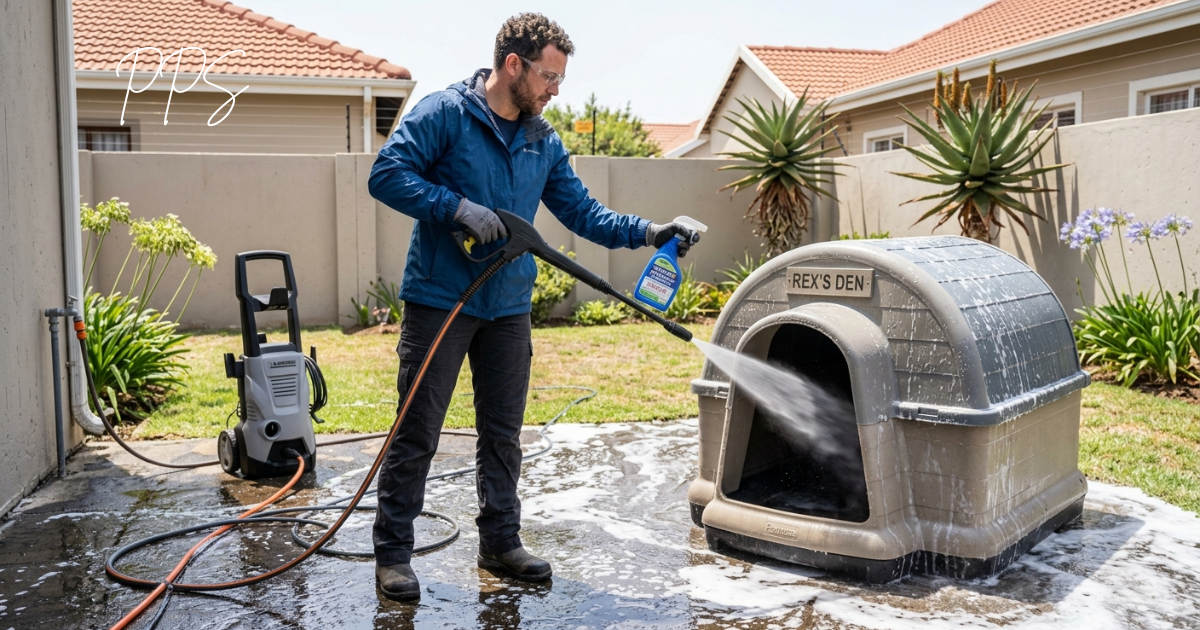
Keeping your dog's environment clean is an important part of responsible pet ownership. Whether your dogs spend most of their time in the garden, have their own sleeping area or share an outdoor kennel, regular cleaning and good hygiene can help reduce the spread of harmful microorganisms and keep unpleasant dog odours under control.
For South African pet owners, particularly during warmer months when dogs spend more time outdoors, pet sanitation should be part of your regular home maintenance routine. Veterinary disinfectants such as F10 offer products designed to help clean and disinfect appropriate surfaces in animal environments.
Why Is Pet Sanitation Important?
Dog areas can accumulate saliva, faeces, urine, dirt and other organic material throughout the day. If left unattended, this material can contribute to unpleasant dog odour and create unhygienic conditions.
More importantly, contaminated surfaces can play a role in the spread of certain dog viruses and other infectious organisms. Canine parvovirus, for example, can survive in the environment for extended periods and spread through contaminated surfaces, objects and soil.
Regular cleaning is therefore about more than maintaining a fresh-smelling garden. Good kennel hygiene and home sanitation help reduce environmental contamination and limit opportunities for infection to spread between animals.
What Is F10 and How Does It Work?
F10 is a range of veterinary disinfectant and hygiene products used in animal-care environments, including veterinary practices, kennels and animal housing. Certain products in the range are designed to disinfect appropriately prepared surfaces against a broad range of microorganisms, including canine parvovirus.
Different F10 products have different purposes. For example, F10SCXD Veterinary Disinfectant/Cleanser is used for cleaning and disinfecting suitable surfaces, while F10SC Veterinary Disinfectant is used for disinfection of pre-cleaned surfaces.
The correct product, dilution and contact time depend on the application and the level of disinfection required. Always follow the instructions on the specific product you purchase.
Which Areas Around Your Home Should You Clean?
A regular cleaning routine should focus on the places your dog uses most frequently.
- Kennels and sleeping areas: Remove dirt, hair and other debris before cleaning the kennel or sleeping enclosure. Follow with a suitable veterinary disinfectant where the surface and product instructions allow. Allow the area to dry as directed before your dog uses it again.
- Paving and the stoep: Outdoor paving, patios and covered stoeps can accumulate muddy paw prints, saliva and other contamination. Remove visible dirt and organic material before disinfecting suitable hard surfaces. Pay particular attention to corners, feeding areas and places where your dog regularly rests.
- Food bowls, water bowls and toys: These items need regular washing and appropriate disinfection where permitted by the product instructions. Thoroughly clean feeding equipment and ensure that any required rinsing is completed before it is used again.
- Dog bedding and blankets: Dog bedding hygiene is often overlooked. Wash blankets and bedding regularly, particularly when they become damp, dirty or soiled. Use a product specifically suitable for the intended application and follow its instructions for laundering or disinfection.
- Lawns and garden areas: Grass and soil require a different approach from hard surfaces. Pick up dog waste promptly, keep grass trimmed and maintain good drainage. Do not assume that spraying a lawn with a hard-surface disinfectant will eliminate viruses in the soil. Only apply products to lawns or other outdoor ground surfaces if the specific product label permits that use.
How Often Should You Sanitise Your Dog's Area?
For everyday home sanitation, remove faeces and visible dirt promptly, wash feeding equipment regularly and clean bedding as needed.
A weekly cleaning and disinfection session can form part of your routine for suitable hard surfaces around kennels, paving and dog sleeping areas. Areas that become heavily soiled should be cleaned sooner rather than waiting for the weekly session.
If a dog develops suspected or confirmed parvovirus or another contagious infection, ordinary weekly cleaning is not enough. Contact your veterinarian for advice on isolation and environmental decontamination, and follow the appropriate disease-specific disinfection procedure.
Can Regular Sanitising Prevent Dog Viruses?
Using an appropriate disinfectant correctly can help reduce the risk of infection from contaminated surfaces. However, no weekly cleaning routine can guarantee that your dog will never contract a virus.
Keep your dog's vaccinations up to date, practise good hand hygiene and avoid exposing unwell dogs to other animals. Remember that disinfecting your dog's environment does not replace veterinary care or protect your family from every infectious disease.
F10 products are available through South African veterinary practices and pet or agricultural suppliers, including online retailers. Choose the product suited to your needs, read the instructions carefully and make pet sanitation a consistent part of caring for your four-legged family.
A clean, hygienic dog area helps create a more pleasant home for everyone — your dogs, your family and the people who visit your property.
Explore Other Guides in This Cluster
Reviewed & maintained by Almero Korff — Founder & Editor, Premiserv Pets SA
Questions or corrections? [email protected]