Road Trips With Your Dog in South Africa: Car Safety, Travel Tips and Advice for Pet Owners
Written by Almero Korff • Independent SA Canine Editorial
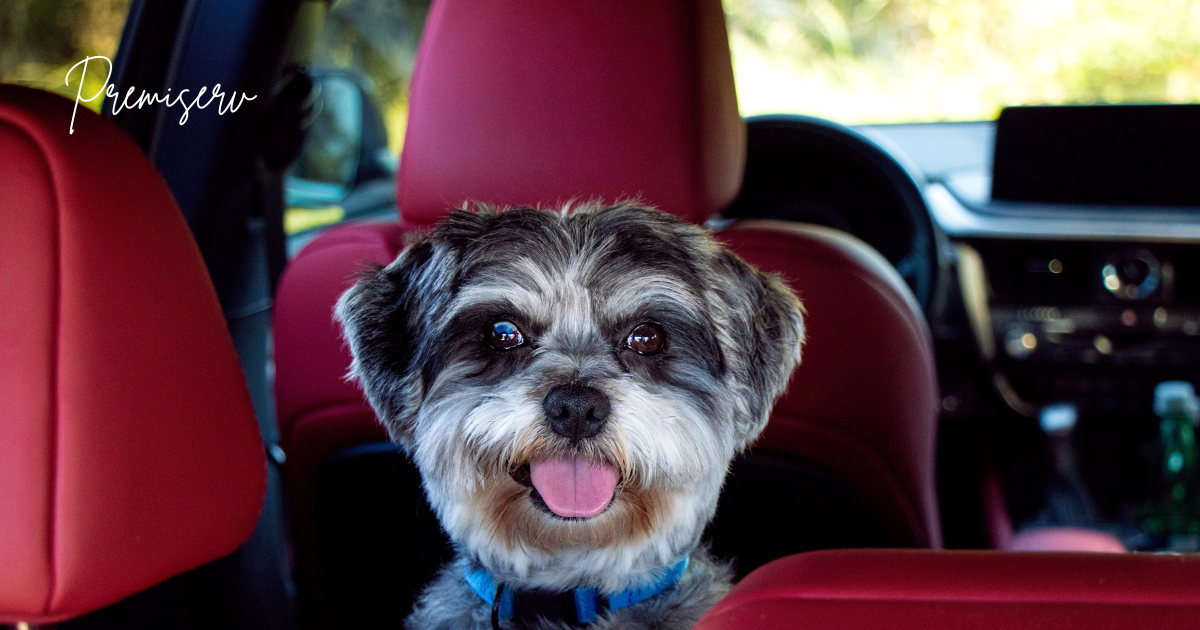
There is something special about packing the car, heading out on the open road and taking the family dog along for the adventure. Whether you're travelling from Pretoria to the coast, exploring the Garden Route, visiting family in Cape Town or enjoying a weekend away in the Magaliesberg, road trips can be a wonderful experience for dogs and their owners.
However, travelling with a dog requires a little more preparation than simply throwing a bed in the boot and hitting the road. Pet car safety, comfortable transport arrangements, regular breaks and managing travel anxiety are all important considerations.
Whether your dog loves car rides or is still getting used to travelling, here are some practical tips to help make your next South African road trip safer and more enjoyable.
Pet Car Safety: Why Your Dog Should Be Secured
One of the most important aspects of travelling with your dog is making sure they are properly secured inside the vehicle.
Allowing a dog to move freely around the car might seem harmless, particularly if they're accustomed to travelling with you. However, an unrestrained dog can distract the driver, interfere with vehicle controls or become seriously injured during sudden braking or an accident.
There are two popular options for securing dogs when travelling: travel crates and dog car harnesses.
Dog Travel Crates and Carriers
A properly sized travel crate provides a secure, enclosed space where your dog can sit, lie down and rest during the journey. Many dogs also find the familiar, enclosed environment comforting, particularly when they are already crate-trained.
When choosing a travel crate, consider the following:
- Size: Your dog should be able to stand naturally, turn around and lie down comfortably.
- Ventilation: Ensure sufficient airflow, particularly during South African summer journeys.
- Security: The crate must be secured to the vehicle using an appropriate restraint system or vehicle anchor points. A loose crate can move dangerously during sudden braking.
- Comfort: Add familiar bedding or a blanket to make the space more inviting.
- Placement: Use an appropriate rear-seat or secured cargo-area position, following the manufacturer's instructions.
For maximum protection, look for a vehicle crate that has undergone independent crash testing. An ordinary plastic travel carrier may be useful for containment, but should not automatically be considered crash protection.
Dog Car Harnesses and Seatbelts
A dog car harness is another popular option, particularly for medium and larger dogs that prefer sitting or lying on the back seat.
These harnesses are designed to attach to the vehicle's seatbelt system, restricting unnecessary movement while allowing the dog to remain comfortable.
When choosing a dog car harness, look for:
- A properly fitted chest harness designed specifically for vehicle travel.
- Strong attachment points and secure buckles.
- An appropriate vehicle seatbelt connection.
- Independent crash-testing information, where available.
- A design that allows your dog to sit or lie down naturally.
Avoid attaching a seatbelt tether directly to your dog's collar. A sudden stop could place dangerous pressure on the neck.
It is also important to remember that not every product marketed as a dog seatbelt has been crash-tested. A standard seatbelt attachment may prevent your dog from moving around the vehicle, but that does not necessarily mean it will protect them during a collision.
For smaller breeds, a suitably secured travel carrier may be more appropriate than a harness, depending on the dog's size and temperament.
How Often Should You Stop When Travelling With Your Dog?
South African road trips can involve several hours behind the wheel, particularly when travelling between provinces.
While you might be comfortable driving for extended periods, your dog needs regular opportunities to stretch, drink water and relieve themselves.
As a general guideline, plan to stop approximately every two hours during longer journeys.
Use these breaks to:
- Allow your dog to walk and stretch their legs.
- Offer fresh drinking water.
- Give them an opportunity to toilet.
- Check whether they are comfortable and showing signs of overheating or anxiety.
- Allow some time to sniff and explore a safe area.
Puppies, senior dogs and dogs with particular health conditions may need more frequent breaks.
Always put your dog on a lead before opening the vehicle door. Petrol stations, highway rest stops and unfamiliar environments can be overwhelming, and even normally obedient dogs can become startled and run off.
Keeping Your Dog Comfortable During the Journey
Temperature management is particularly important when travelling through South Africa during summer.
A vehicle can become dangerously hot within a short period, even when parked in the shade or with windows slightly open. Never leave your dog unattended in a parked vehicle, even when stopping briefly for refreshments or fuel.
While driving, maintain comfortable cabin temperatures using your vehicle's air conditioning. Avoid allowing your dog to sit in direct sunlight for extended periods, and consider using window shades where necessary.
You should also avoid allowing your dog to stick their head out of an open window. Flying insects, dust, stones and other debris can injure their eyes and ears.
For longer journeys, pack a few familiar items from home, including their usual blanket, bed or favourite toy. Familiar smells can help some dogs feel more comfortable in an unfamiliar environment.
Calming Aids for Dogs That Don't Enjoy Car Travel
Not every dog is a natural traveller. Some become restless, pant excessively, tremble or vocalise throughout the journey. Others experience motion sickness, which can cause drooling, nausea and vomiting.
Fortunately, there are several approaches that may help:
- Gradual car familiarisation: Start by allowing your dog to explore the stationary vehicle without actually driving anywhere. Once comfortable, introduce short journeys around the neighbourhood before gradually increasing travel time. Reward calm behaviour with treats and positive attention.
- Pheromone calming sprays: Products such as ADAPTIL Transport are available in South Africa and are designed to help dogs feel more comfortable in stressful situations, including car travel. These products use synthetic canine appeasing pheromones and are non-sedating. The transport spray can be applied to the vehicle or your dog's bedding before travelling. Follow the product instructions carefully, including allowing the specified time before your dog enters the vehicle.
- Calming supplements: Some over-the-counter calming supplements are marketed for dogs experiencing stress or anxiety. Ingredients and effectiveness vary, and they are not suitable for every dog. Speak to your veterinarian before introducing supplements, particularly if your dog takes medication or has an existing health condition.
- Veterinary medication: If your dog experiences severe travel anxiety or motion sickness, your veterinarian may recommend appropriate medication. Motion sickness and anxiety are not necessarily the same problem, so it is important to establish what is causing the behaviour. Never give your dog human sleeping tablets, sedatives or anti-anxiety medication without veterinary advice.
Preparing for a Long Road Trip With Your Dog
A little preparation before departure can make travelling considerably easier.
Try to feed your dog a normal-sized meal a few hours before leaving rather than immediately before setting off. Avoid making sudden changes to their food or routine just before the journey.
Pack a dedicated dog travel bag containing:
- Enough of their usual food for the trip, plus some extra.
- Fresh drinking water and a portable water bowl.
- Their lead, harness and identification tag.
- A dog car harness or properly secured travel crate.
- Familiar bedding and toys.
- Waste bags and cleaning supplies.
- Any prescribed medication.
- Vaccination records and relevant veterinary information.
It is also worth saving the contact details of veterinary practices along your route and near your destination.
Make sure your dog's microchip registration and contact details are up to date. A current photograph can also be useful if your dog becomes separated from you while travelling.
Special Considerations for Puppies and Small Breeds
Puppies and smaller breeds often require additional attention during road trips.
Young puppies may not be accustomed to travelling, and longer journeys can be tiring. Introduce car travel gradually and arrange more frequent toilet and water breaks.
Small dogs should always be appropriately restrained, preferably in a secure, well-ventilated travel carrier suitable for their size.
Flat-faced breeds such as French Bulldogs, Pugs and Shih Tzus require particular care because they can be more susceptible to breathing difficulties and overheating.
Never push a dog to continue travelling or exercising when showing signs of distress. Allow them to rest and seek veterinary advice when necessary.
Make Your Next Road Trip a Family Adventure
Travelling with your dog can be one of the most enjoyable parts of owning a pet. From weekend getaways to longer coastal holidays, there is no reason your four-legged companion cannot enjoy the journey alongside you.
The secret is preparation. Invest in proper pet car safety equipment, plan regular breaks, keep your dog hydrated and familiarise them with travelling before attempting longer distances.
A comfortable and well-prepared dog makes for a much more enjoyable journey, giving you and your family the freedom to explore more of what South Africa has to offer together.